


-
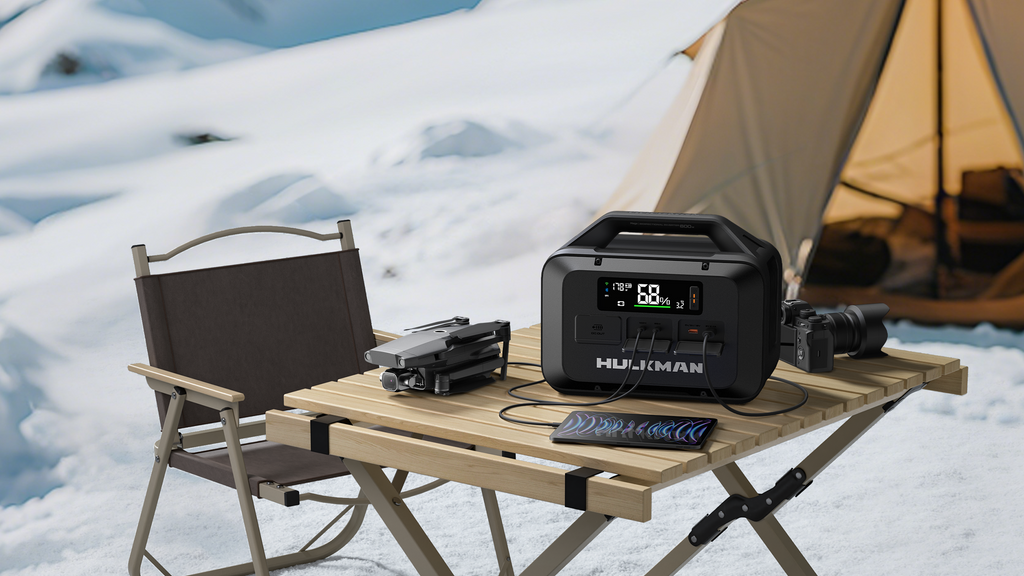
Why Power Stations Must Handle Freezing Cold: U.S. Winter Data & Choosing Mega for Reliable Cold-Resistant Energy
U.S. winters are still brutally cold, and standard batteries can’t keep up. While the EPA reports that average winter temperatures have risen about 3 °F since the 1890s, NOAA data shows states like Minnesota, Montana, and North Dakota still see January lows well below 0 °F. That kind of cold drains lithium batteries rapidly — whether in cameras, phones, drones, or portable power stations.... -
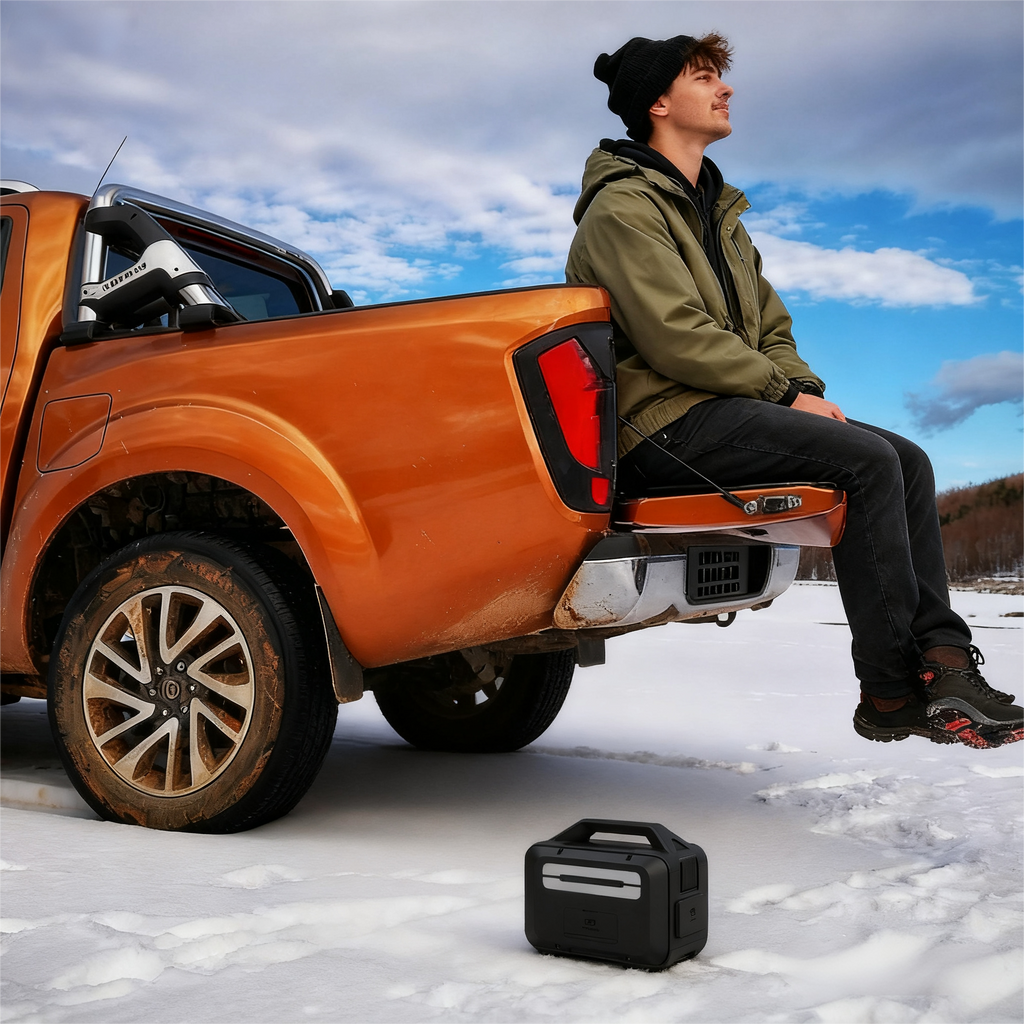
Battery Types and Cold Weather Performance: Why Ternary Lithium Cells Make the Best Power Station Choice
Lithium batteries behave very differently in extreme temperatures, and choosing the right chemistry is crucial for winter or high-heat environments. Among common types like LFP, NCM, LMO, LCO, and lead-acid, NCM batteries deliver the best cold-weather performance, retaining up to 80% capacity at –20 °C, while LFP and lead-acid can lose nearly half their power. Cold charging is particularly dangerous—it slows ion movement and... -

UPS vs. EPS: What’s the Difference and Why It Matters for Power Station?
Reliable electricity is something most people take for granted—until the power cuts out. In a typical home or business, grid power flows in seamlessly and keeps everything from lights to laptops running without a second thought. But with power outages increasing across the U.S., that old sense of security is fading fast. Recent data from the Department of Energy and academic studies show that... -

What Is the Best Power Station for Photography Gear
High-value electronics like cinema cameras, drones, NAS storage, GPS instruments, and VR headsets demand more than just raw battery capacity—they need clean, stable power. When using a portable power station in the field, the quality of the power output is just as critical as the watt-hours. Devices such as 8K cameras, wireless transmitters, and scientific sensors are highly sensitive to electrical distortion. That’s why...

