


-
How to Properly Care for Lithium Battery Products
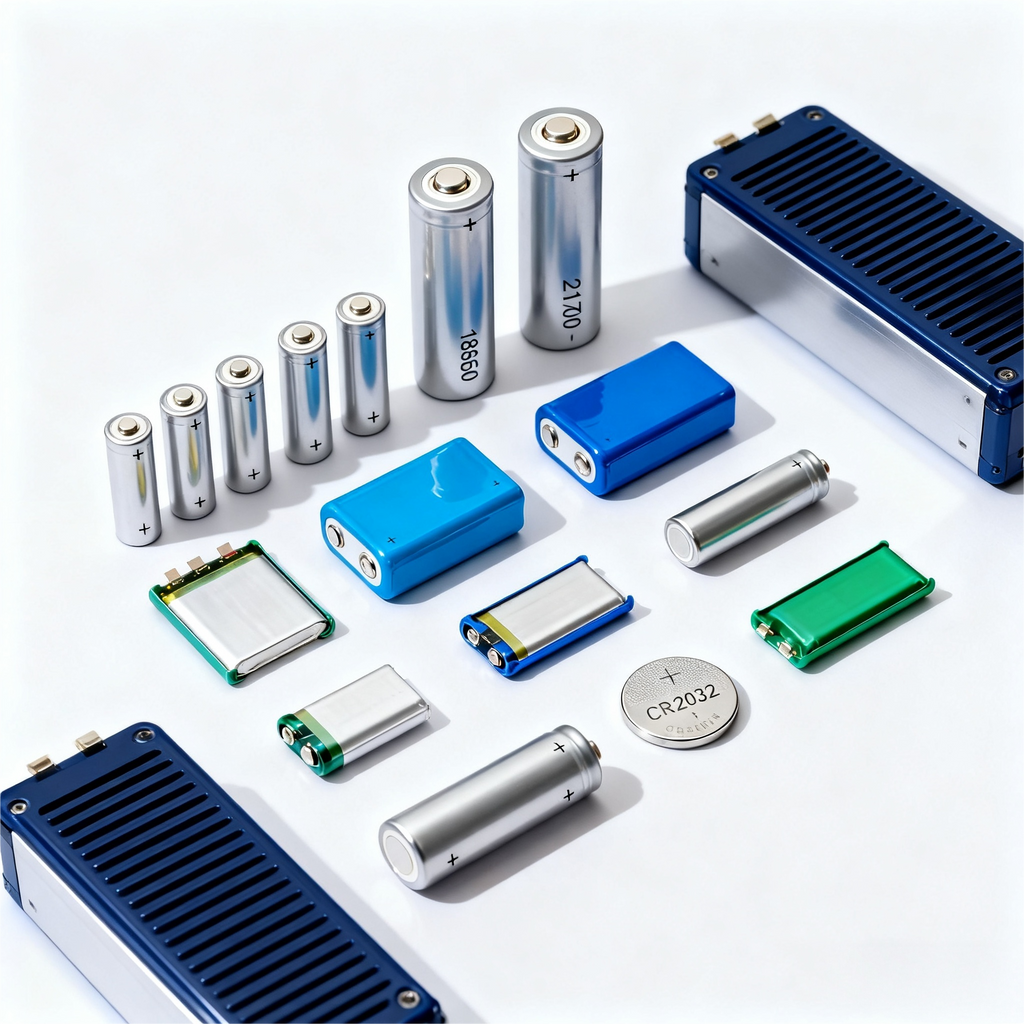
Lithium batteries power many of the devices we use daily, from smartphones and laptops to power tools, portable power stations, and drones. Keeping them in good condition maximizes their lifespan and safety. In this article, we’ll cover: What Everyday Devices Use Lithium Batteries How to Care for Lithium Batteries Emergency Handling When Lithium Batteries Go Off the Rails Environmentally Responsible Recycling Mega... -

What It Means for a Power Station to Work at 13,000 ft
When most people think of portable power stations, they imagine weekend camping trips, backyard movie nights, or keeping a laptop charged during a blackout. But for explorers, filmmakers, drone pilots, and climbers, the real test comes far away from cities—sometimes thousands of feet above sea level. Being able to operate reliably at 13,000 feet (around 4,000 meters) isn’t just a marketing claim. It... -

How High Altitude Affects Lithium Battery Power Stations — And How Hulkman Mega Stays Reliable at 13,000 ft
Portable power stations are no longer just for camping trips or home backup. More people are taking them into high-altitude environments — whether for photography, skiing, mountaineering, or scientific expeditions. But at elevations above 10,000–13,000 ft, lithium batteries face a very different set of challenges. Understanding these effects explains why advanced designs like the Mega Power Station stand out. -
Why Power Stations Must Handle Freezing Cold: U.S. Winter Data & Choosing Mega for Reliable Cold-Resistant Energy
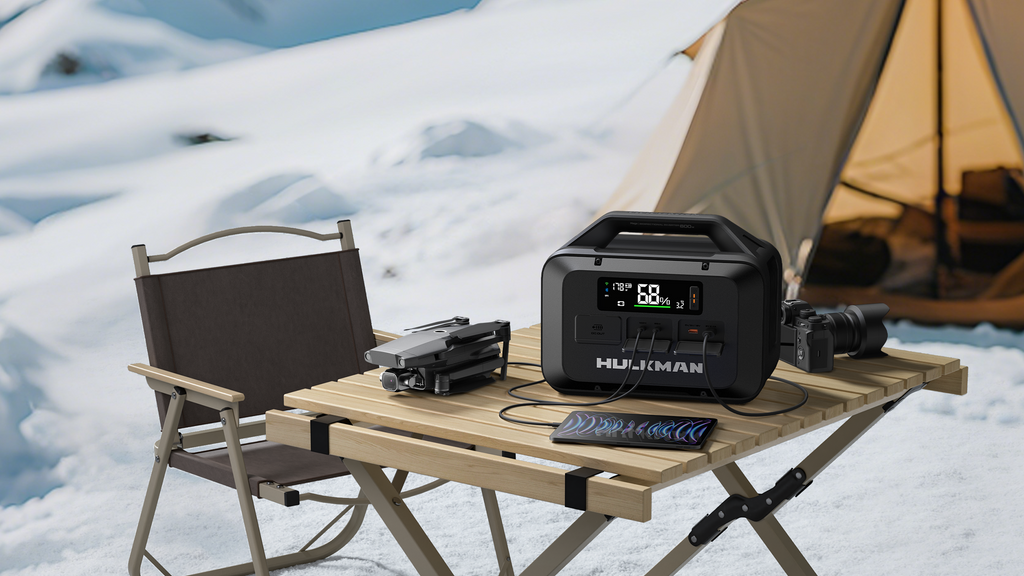
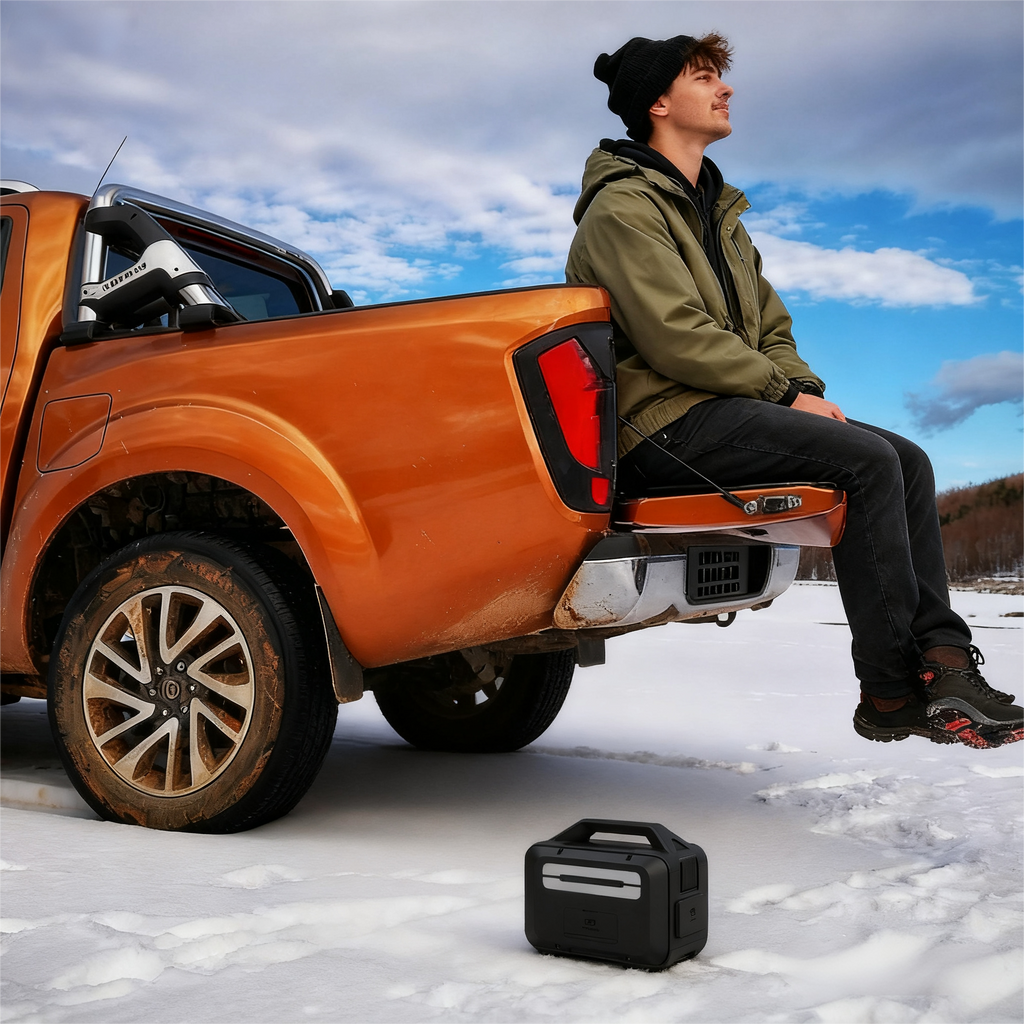
U.S. winters are still brutally cold, and standard batteries can’t keep up. While the EPA reports that average winter temperatures have risen about 3 °F since the 1890s, NOAA data shows states like Minnesota, Montana, and North Dakota still see January lows well below 0 °F. That kind of cold drains lithium batteries rapidly — whether in cameras, phones, drones, or portable power stations.... -
Battery Types and Cold Weather Performance: Why Ternary Lithium Cells Make the Best Power Station Choice
Lithium batteries behave very differently in extreme temperatures, and choosing the right chemistry is crucial for winter or high-heat environments. Among common types like LFP, NCM, LMO, LCO, and lead-acid, NCM batteries deliver the best cold-weather performance, retaining up to 80% capacity at –20 °C, while LFP and lead-acid can lose nearly half their power. Cold charging is particularly dangerous—it slows ion movement and...
